
Scope of services, delivery method, quality and safety commitments, and contacts for procurement teams.
Send your details on WhatsApp or by email and our engineers will prepare a quotation.
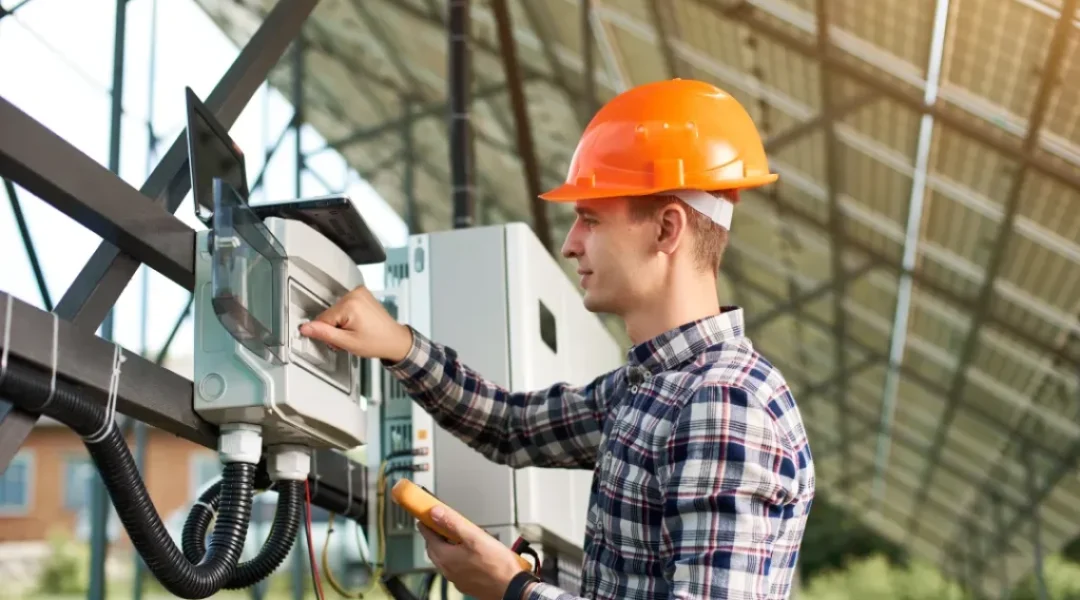
A hybrid solar system uses solar power when the sun is out and stored energy when it is not, and keeps a site running when the grid fails. Vulfem International designs and installs hybrid solar systems for institutions, businesses and homes across Kenya.


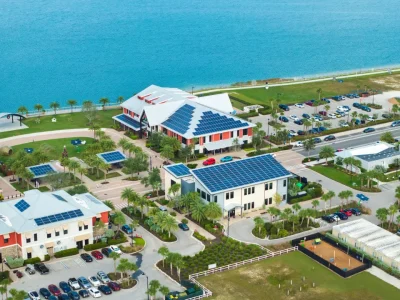

Solar panels power the site and charge the batteries during the day. When solar output drops or the grid goes off, the system draws on the batteries. Where there is a generator, it becomes the last line of backup and runs less often.
| Grid-tie solar | Hybrid solar | |
|---|---|---|
| Main purpose | Lower electricity bills | Lower bills plus backup power |
| Batteries | No | Yes |
| Power during an outage | No | Yes, for the loads the system is sized to carry |
| Upfront cost | Lower | Higher |
| Best for | A stable grid supply and daytime use | Frequent outages, evening use, critical loads or heavy generator use |
If backup power is not needed, see grid-tie solar solutions.
Hospitals, clinics, hotels, schools, telecom sites, farms and factories where an outage stops operations, spoils stock or puts people at risk. A hybrid system carries the critical loads through the gap and reduces the generator’s running hours.
Yes. A hybrid system keeps lights, a fridge, Wi-Fi and security running through an outage while cutting the monthly bill. A common home set-up in Kenya is a 3 kW or 5 kW hybrid inverter with a lithium battery of about 5 kWh.
Most new systems use lithium iron phosphate (LiFePO4) batteries, which last longer and need less maintenance than lead-acid batteries. Manufacturers commonly rate them for around 6,000 charge cycles, which is ten years or more in normal use.
Vulfem International installs hybrid inverters, batteries and monitoring systems from established manufacturers. Hybrid inverters widely used in Kenya include Deye, Growatt, Huawei and Victron.
Sourcing this for a tender or RFQ? See Tenders and Procurement, or email fmugo@vulfem.com.
The cost depends on the panel capacity, the battery size and the loads the system must carry during an outage. Vulfem International prepares a personalised quotation after reviewing the site. Request one on WhatsApp at +254 739 629 118 or by email at fmugo@vulfem.com.
It depends on the battery size and what is running. As a guide, a 5 kWh lithium battery runs essential home loads such as lights, a fridge, a TV and Wi-Fi for around four to six hours. Larger sites are sized to their critical loads.
Lithium iron phosphate batteries are commonly rated by their manufacturers for around 6,000 charge cycles, which is ten years or more in normal use.
Every site uses power differently, so Vulfem International prices each system and service after reviewing your needs. Send your details on WhatsApp or by email and our engineers will prepare a quotation for you.
To quote accurately we need your location, the type of site, your average monthly electricity use, what must keep running during an outage, and the make and size of any generator you have.



WhatsApp us