Scope of services, delivery method, quality and safety commitments, and contacts for procurement teams.
Send your details on WhatsApp or by email and our engineers will prepare a quotation.
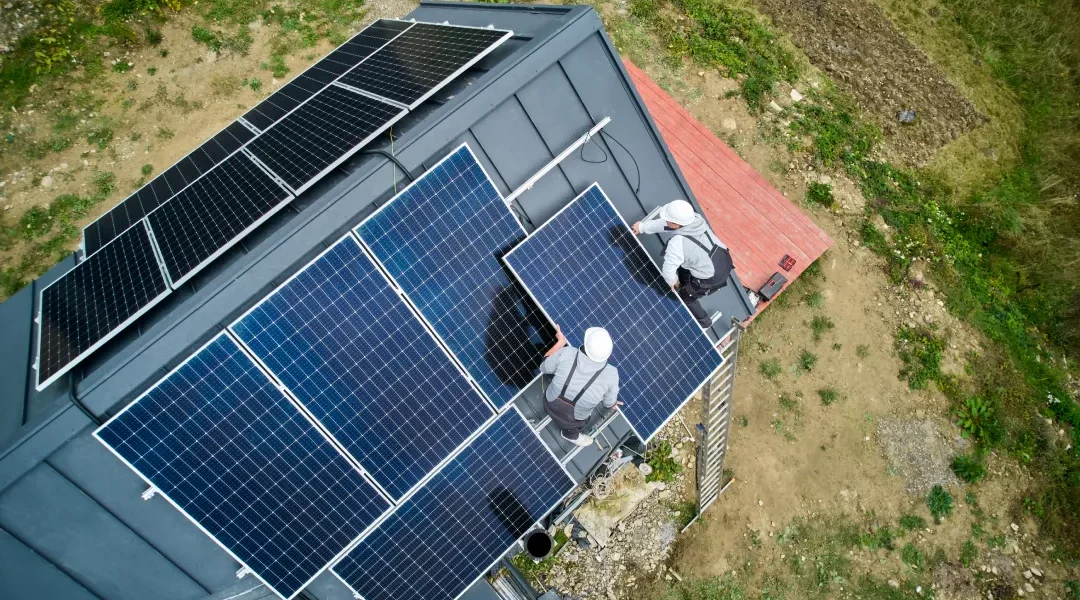
A grid-tie solar system, also called an on-grid or grid-tied system, is the most direct way for a site that uses power during the day to reduce what it pays for electricity. The solar panels supply the building first and the grid covers the rest. Vulfem International designs, supplies, installs and commissions grid-tie systems across Kenya.
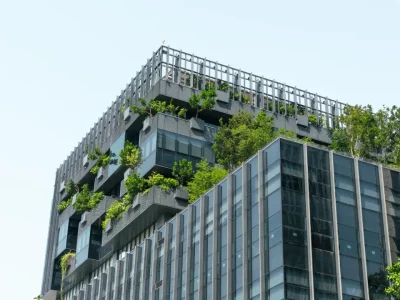
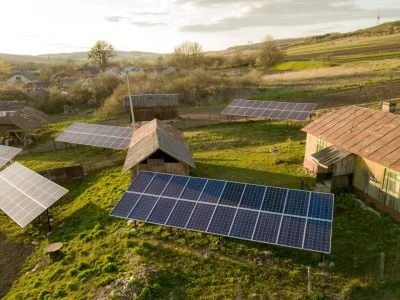
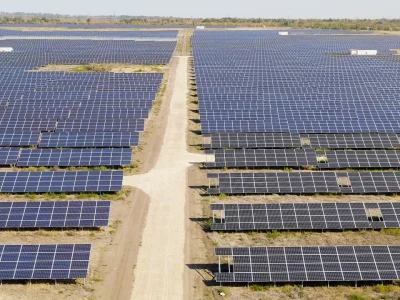

Solar panels generate power during the day, and an inverter feeds it into the building’s electrical system. Equipment uses the solar power first and draws from the grid when it needs more. There are no batteries, which keeps the system simpler and the cost lower than a hybrid system.
No. A grid-tie solar system normally switches off when the grid goes down, as a safety measure. Sites that need power during outages should consider a hybrid solar system.
Factories, schools, hospitals, hotels, offices and farms use most of their power while the sun is up, which is when a grid-tie system produces. Commercial and institutional systems in Kenya typically range from about 10 kW to several hundred kilowatts.
Yes, for households that use power during the day, for example for water pumping, laundry or a home office. Most home systems fall between 3 kW and 10 kW.
Kenya has strong sunshine all year. As a guide, each kilowatt of solar panels produces about 4 to 5 units (kWh) of electricity a day, so a 100 kW system yields about 400 units a day and a 3 kW system roughly 12 to 15.
Only with approval. Under Kenya’s Energy (Net-Metering) Regulations 2024, a consumer needs a net-metering agreement with Kenya Power to export surplus solar power. Each exported unit earns a credit of half a unit against the bill. Power exported without approval is charged for, so Vulfem International sizes every grid-tie system around the site’s own consumption first.
Vulfem International installs panels, inverters and mounting structures from established manufacturers. Brands widely used in Kenya include Jinko, JA Solar, Trina and Longi panels, and Deye, Growatt, Huawei and Solis inverters.
Reduced electricity costs, sustainable energy generation, lower carbon emissions and an attractive return on investment. Businesses in Kenya commonly recover the cost of a solar system in about two to five years.
Sourcing this for a tender or RFQ? See Tenders and Procurement, or email fmugo@vulfem.com.
The cost depends on the size of the system, the roof and the equipment chosen. A grid-tie system costs less than a hybrid system of the same panel capacity because it has no batteries. Vulfem International gives a personalised quotation after reviewing the site's electricity use.
No. A grid-tie solar system normally switches off when the grid goes down, as a safety measure. A hybrid solar system, which adds battery storage, is the right choice where backup power is needed.
Not for cash. With a net-metering agreement from Kenya Power, each unit exported earns a credit of half a unit on the electricity bill. Credits roll over from month to month and expire at the end of Kenya Power's financial year.
Very little. Solar panels need periodic cleaning and the system should be inspected regularly. Vulfem International offers operations and maintenance services after handover.
Every site uses power differently, so Vulfem International prices each system and service after reviewing your needs. Send your details on WhatsApp or by email and our engineers will prepare a quotation for you.
To quote accurately we need your location, the type of site, your average monthly electricity use, what must keep running during an outage, and the make and size of any generator you have.



WhatsApp us